
Introduction
In recent years, crocolini has quietly become a favorite ingredient in kitchens, restaurants, and grocery stores across the United States. If you’ve spotted long, slender green stalks bundled near the broccoli or asparagus section and wondered what they were, you’re not alone. Crocolini often sparks curiosity because it looks familiar yet different at the same time. It resembles broccoli, but with thinner stems, smaller florets, and a more delicate appearance.
Crocolini is appreciated not just for its looks, but also for its mild, slightly sweet flavor and tender texture. Unlike traditional broccoli, which can sometimes be bitter or tough when overcooked, crocolini is forgiving and easy to prepare. This makes it especially popular among home cooks looking for vegetables that taste great without complicated techniques.
As interest in fresh, healthy, and versatile vegetables continues to grow, crocolini has earned its place as a modern staple. In this article, we’ll explore what crocolini is, how it differs from similar vegetables, its nutritional benefits, and why it has become such a beloved ingredient in everyday cooking.
What Is Crocolini?
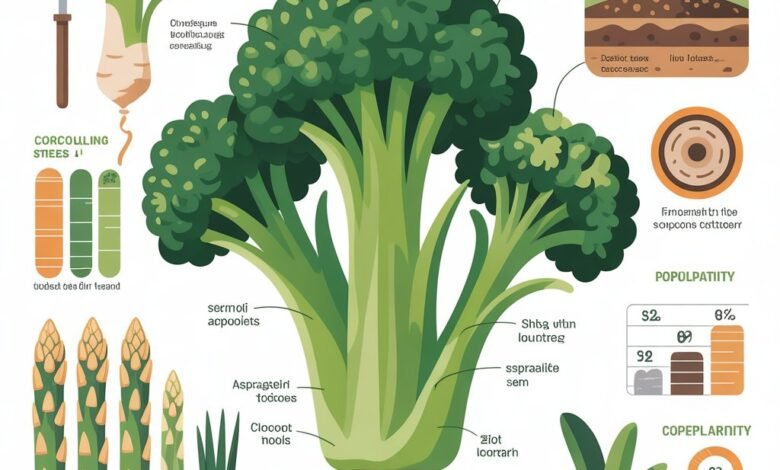
Crocolini is a hybrid vegetable closely related to broccoli. It is sometimes referred to as baby broccoli, although it is not simply immature broccoli. Instead, crocolini is cultivated to produce long, thin stems and small florets that are entirely edible from top to bottom. This is one of the reasons it is so convenient and appealing.
The flavor of crocolini is milder and slightly sweeter than traditional broccoli. Its stems are tender, eliminating the need to peel or trim aggressively. This makes preparation quick and reduces food waste, which is an important factor for many modern cooks.
Crocolini is commonly confused with broccolini or broccoli rabe, but each of these vegetables has its own characteristics. Crocolini stands out because of its balance between flavor, texture, and ease of cooking. It fits well into both simple home meals and more refined dishes.
How Crocolini Is Grown
Crocolini is grown using selective cultivation techniques designed to enhance tenderness and flavor. Farmers focus on producing uniform stalks that mature evenly, allowing for consistent quality. Unlike some vegetables that require precise harvesting times, crocolini is relatively forgiving, which helps maintain its tender texture.
The vegetable thrives in cool growing conditions, similar to broccoli and other members of the brassica family. It is typically harvested when the florets are still tight and vibrant green. This stage ensures the best flavor and texture.
Because crocolini grows quickly and efficiently, it is often available year-round in many regions. This consistent availability has contributed to its growing popularity among consumers and chefs alike.
Crocolini vs Broccoli: What’s the Difference?
Although crocolini and broccoli are closely related, they differ in several important ways. Traditional broccoli has thick stalks and large florets, which can sometimes require longer cooking times. Crocolini, on the other hand, has slender stems that cook quickly and evenly.
Flavor is another key difference. Broccoli can have a slightly bitter taste, especially when overcooked. Crocolini tends to be milder and subtly sweet, making it more appealing to people who are sensitive to bitter flavors.
Texture also plays a role. Crocolini’s stems are tender and do not require peeling, while broccoli stalks often need extra preparation. These differences make crocolini a more user-friendly option for fast, flavorful meals.
Nutritional Benefits of Crocolini
Crocolini is not just delicious; it is also highly nutritious. Like other cruciferous vegetables, it is rich in vitamins and minerals that support overall health. Crocolini contains vitamin C, vitamin A, vitamin K, and folate, all of which contribute to immune function and cellular health.
It is also a good source of dietary fiber, which supports digestion and helps maintain stable blood sugar levels. The antioxidants found in crocolini play a role in reducing inflammation and protecting cells from oxidative stress.
Because crocolini is low in calories and high in nutrients, it fits well into a wide range of diets. Whether you are focused on weight management, heart health, or overall wellness, crocolini offers valuable nutritional benefits without sacrificing flavor.
How Crocolini Tastes
One of the biggest reasons crocolini has become so popular is its taste. The flavor is gentle, slightly sweet, and less assertive than traditional broccoli. This makes it appealing even to people who typically avoid green vegetables.
When cooked, crocolini develops a subtle nuttiness, especially when roasted or sautéed. The stems remain tender while the florets become lightly crisp, creating a pleasant contrast in texture.
Because of its mild flavor, crocolini pairs well with a wide variety of seasonings and ingredients. From garlic and olive oil to lemon, chili flakes, and parmesan cheese, crocolini adapts easily to different cuisines and cooking styles.
Best Ways to Cook Crocolini
Crocolini is incredibly versatile and can be prepared using many cooking methods. Sautéing is one of the most popular options, as it enhances flavor while preserving texture. A quick sauté with olive oil and garlic brings out crocolini’s natural sweetness.
Roasting crocolini in the oven creates caramelized edges and a deeper flavor. This method works well when paired with simple seasonings like salt, pepper, and a squeeze of lemon. Steaming is another option, especially for those looking to preserve maximum nutrients.
Grilling crocolini adds a smoky element and makes it a great side dish for outdoor meals. No matter the method, crocolini cooks quickly, making it ideal for busy weeknight dinners.
Why Crocolini Is So Popular in Modern Cooking
Crocolini fits perfectly into modern cooking trends that emphasize simplicity, freshness, and health. It requires minimal preparation, cooks quickly, and delivers consistent results. This makes it attractive to both home cooks and professional chefs.
Its elegant appearance also plays a role in its popularity. The long stems and small florets add visual appeal to dishes, making meals look more refined without extra effort. This aesthetic quality is especially valued in restaurant plating and food photography.
Additionally, crocolini aligns with growing interest in plant-forward diets. As more people seek ways to incorporate vegetables into their meals, crocolini offers a flavorful and approachable option.
How to Store and Buy Crocolini
When buying crocolini, look for bright green stalks with firm stems and tightly closed florets. Avoid bunches that appear yellowed or limp, as this indicates age. Fresh crocolini should feel crisp and vibrant.
To store crocolini, keep it in the refrigerator in a loosely sealed bag or container. It is best used within a few days to maintain optimal freshness and flavor. Washing should be done just before cooking rather than before storage.
Conclusion
Crocolini is more than just a trendy vegetable; it is a practical, nutritious, and flavorful addition to modern cooking. Its tender texture, mild taste, and versatility make it easy to enjoy in a wide range of dishes. Whether roasted, sautéed, or grilled, crocolini delivers consistent results with minimal effort.
As more people prioritize healthy eating without sacrificing flavor, crocolini continues to gain popularity. Understanding what crocolini is and how to use it allows you to make the most of this exceptional vegetable and confidently include it in your everyday meals.
Frequently Asked Questions (FAQs)
1. Is crocolini the same as broccoli?
No, crocolini is a related hybrid vegetable with thinner stems, smaller florets, and a milder flavor than traditional broccoli.
2. Can you eat crocolini stems?
Yes, crocolini stems are fully edible and tender, requiring no peeling.
3. Is crocolini healthy?
Yes, crocolini is rich in vitamins, minerals, fiber, and antioxidants while being low in calories.
4. How long does crocolini take to cook?
Crocolini cooks quickly, usually within 5–10 minutes depending on the cooking method.
5. What does crocolini pair well with?
Crocolini pairs well with garlic, olive oil, lemon, cheese, grains, meats, and seafood.
