Introduction
Foenegriek is a term that frequently appears in discussions about traditional foods, herbs, and natural ingredients, particularly in European, Middle Eastern, and South Asian contexts. Many people encounter the word foenegriek while reading recipes, exploring herbal traditions, or researching natural ingredients and then turn to Google to understand what it means and how it is used. Known internationally as fenugreek, foenegriek has a long history that spans culinary, cultural, and traditional practices. This article provides a comprehensive explanation of foenegriek, covering its origin, characteristics, uses, and why it remains relevant in modern kitchens and lifestyles.
Understanding the Meaning of Foenegriek
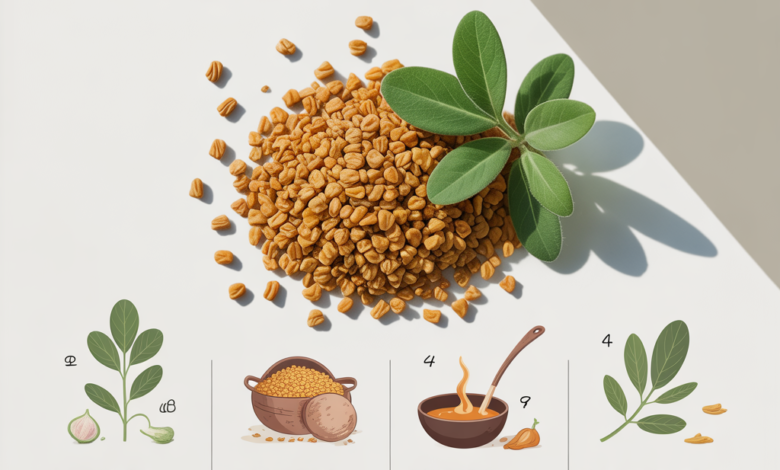
Foenegriek refers to the plant Trigonella foenum-graecum, commonly known in English as fenugreek. The name foenegriek is widely used in Dutch and French-speaking regions, reflecting its historical presence in European herbal traditions. The plant is known for its small seeds and aromatic leaves, both of which are used in cooking and traditional practices. The meaning of foenegriek is closely tied to its role as a versatile natural ingredient rather than a single-purpose herb, which explains why it appears across different cultures and cuisines.
Historical Background and Cultural Significance
The history of foenegriek dates back thousands of years, with references found in ancient Mediterranean, Middle Eastern, and South Asian records. Historically, foenegriek was valued not only for its flavor but also for its symbolic and practical importance in daily life. It was cultivated as a staple herb and incorporated into traditional preparations, reflecting its accessibility and usefulness. Over time, foenegriek became embedded in cultural food practices, particularly in spice blends and slow-cooked dishes, where its distinctive aroma enhances depth and warmth.
Foenegriek in Culinary Traditions
Foenegriek plays a significant role in global cuisine, especially in Indian, Middle Eastern, and North African cooking. The seeds are often toasted or ground to release a rich, slightly bitter flavor that balances spicy and savory dishes. The leaves, sometimes referred to as dried fenugreek leaves, are used to add complexity to sauces, breads, and vegetable preparations. What makes foenegriek particularly valuable in cooking is its ability to transform simple ingredients into layered, aromatic meals, which is why it continues to be used in both traditional and modern recipes.
Nutritional Profile and Traditional Uses
From a nutritional perspective, foenegriek is valued for its naturally occurring plant compounds and fiber content. In traditional contexts, it has long been included in everyday diets as part of balanced meals rather than as a standalone product. Across cultures, foenegriek has been used in various traditional preparations, often associated with seasonal cooking or household remedies passed down through generations. While modern research continues to explore these traditions, its longstanding dietary presence highlights its importance as a natural ingredient rather than a trend-based supplement.
Why Foenegriek Remains Relevant Today
The modern relevance of foenegriek is closely tied to growing interest in traditional foods, natural ingredients, and global cuisine. As people seek to reconnect with authentic cooking methods and plant-based ingredients, foenegriek has regained attention for its versatility and depth of flavor. It is increasingly featured in contemporary recipes, food blogs, and cultural food discussions, making it a consistent topic of online searches. This sustained interest explains why foenegriek remains a strong keyword for long-form informational content.
SEO Value of the Keyword “Foenegriek”
From an SEO perspective, foenegriek is a high-quality keyword with clear informational and culinary intent. Users searching for this term are typically looking for explanations, uses, or background information rather than quick answers. Google favors comprehensive articles that cover history, meaning, and practical applications in one place. Because foenegriek is both specific and evergreen, well-structured content targeting this keyword can rank effectively and maintain relevance over time.
Conclusion
Foenegriek is far more than a simple herb; it represents centuries of culinary tradition, cultural exchange, and everyday use. Whether encountered in a recipe, a cultural discussion, or an ingredient list, foenegriek continues to capture interest because of its distinctive character and versatility. Understanding its meaning, history, and applications allows readers to appreciate why it remains a valued ingredient across the world. For both users and search engines, clear and in-depth information about foenegriek offers lasting value and relevance.
Frequently Asked Questions (FAQ)
1. What is foenegriek?
Foenegriek is the Dutch and French term for fenugreek, a plant used in cooking and traditional practices.
2. How is foenegriek used in food?
It is commonly used as seeds or dried leaves to add flavor and aroma to dishes.
3. Is foenegriek the same as fenugreek?
Yes, foenegriek is simply the regional name for fenugreek.
4. Why is foenegriek popular in traditional cuisine?
Its strong aroma, versatility, and historical availability made it a staple ingredient.
5. Is foenegriek a good keyword for SEO content?
Yes. It has clear informational intent, low ambiguity, and strong evergreen value.